The nature of man, and antithetical beliefs there regarding, are at the heart of the differences between the Progressives and those stand athwart their march in history and yell, “Stop.”
The Progressives’ view can be discerned from their intellectual ancestors the Jacobins, and the Jacobins’ intellectual father, Jean-Jacques Rousseau. Indeed, the goals of both, and their view towards government, are remarkably similar. Alexis de Tocqueville wrote of the Jacobins that they believed “the function of the State was not merely one of the ruling the nation, but also that of recasting it in a given mold, of shaping the mentality of the population as a whole in accordance with a predetermined model and instilling the ideas and sentiments they though desirable in the minds of all.” This sentiment is echoed by the modern day Progressive: “[L]esbian advocate Paula Ettelbrick proclaimed, about ‘transforming the very fabric of society … [and] radically reordering society’s views of reality’.”
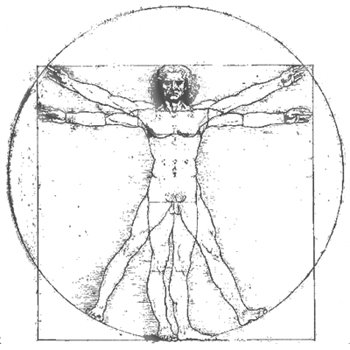
This is consistent, and indeed springs from, the Progressives’ core beliefs about human nature. It is the same belief that the Jacobins had, which was the same of fascists, communists, and other fellow-goers. In essence, the nature of human beings is one of a tabula rasa, where all societal norms, interactions, and groups are artificial. For Rousseau, this “asocial state of blissful isolation in the state of nature was lost forever,” and that society and science bring pain and misery. Continue reading